
How to Tell If Your Pet Needs a Dental Check-Up

How to Tell If Your Pet Needs a Dental Check-Up

How to Tell If Your Pet Needs a Dental Check-Up


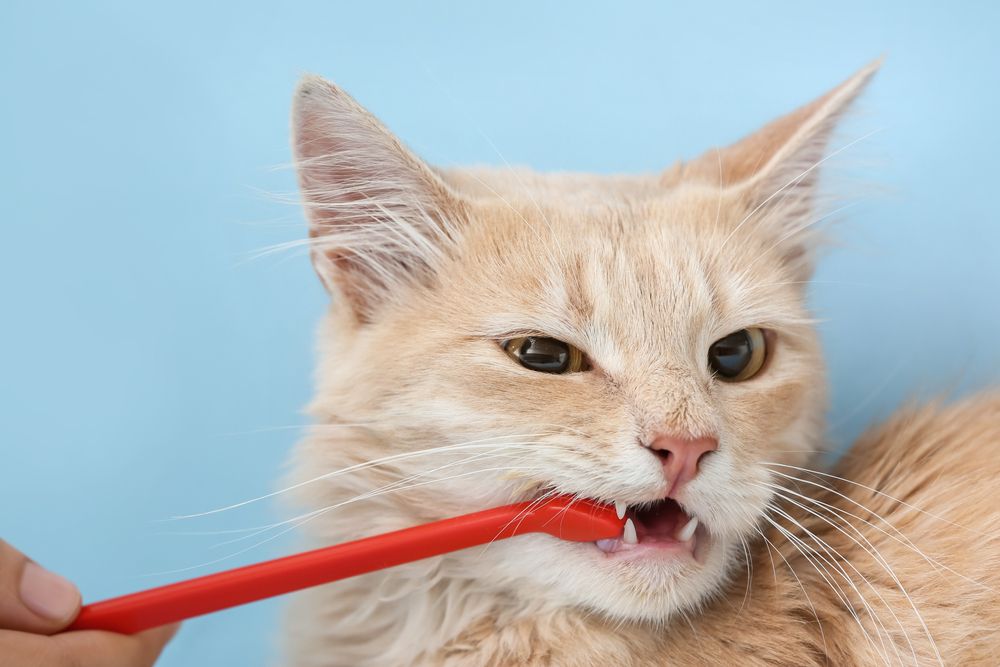
When it comes to your pet’s health, dental care is often overlooked. Yet dental disease is one of the most common medical conditions seen in dogs and cats. In fact, most pets show signs of periodontal disease by the time they are three years old. Because pets can’t tell us when something hurts, it’s up to us to recognize the warning signs and schedule a dental check-up when needed.
Persistent Bad Breath
“Dog breath” or “cat breath” shouldn’t be overwhelmingly foul. While mild odor can be normal, strong, persistent bad breath is often one of the first signs of dental disease. Bacteria from plaque and tartar buildup create unpleasant odors and may signal infection beneath the gumline. If your pet’s breath seems noticeably worse than usual, it’s time for a dental evaluation.
Yellow or Brown Buildup on Teeth
Tartar appears as a yellow or brown crust along the gumline. Over time, plaque hardens into tartar, which can only be removed with professional cleaning. This buildup irritates the gums and creates the perfect environment for bacteria to thrive. If you can see visible buildup on your pet’s teeth, a dental check-up is highly recommended.
Red, Swollen, or Bleeding Gums
Healthy gums should be firm and pink (though pigment can vary by breed). Redness, swelling, or bleeding - especially during chewing or brushing - may indicate gingivitis or more advanced periodontal disease. Inflamed gums are not just uncomfortable; untreated infections can progress and affect the jawbone and surrounding tissues.
Difficulty Eating or Chewing
If your pet suddenly prefers soft food, drops kibble, chews on one side of the mouth, or seems reluctant to eat, dental pain could be the cause. Pets are masters at hiding discomfort, so subtle changes in eating habits should never be ignored. Painful teeth or infected gums can make chewing uncomfortable, even if your pet still appears interested in food.
Pawing at the Mouth or Face
Pets experiencing oral discomfort may paw at their mouth, rub their face along furniture, or show signs of irritation around the jaw. These behaviors may indicate tooth pain, gum inflammation, or even a fractured tooth. Any sudden or repetitive mouth-related behavior warrants a closer look.
Excessive Drooling
While some breeds naturally drool more than others, increased or unusual drooling can signal oral pain or infection. You may also notice blood-tinged saliva or discharge from the mouth.
Loose or Missing Teeth
Adult pets should not have loose teeth. Mobility or missing teeth are signs of advanced periodontal disease. At this stage, bacteria may already be affecting deeper tissues and potentially spreading into the bloodstream. Advanced dental disease can impact vital organs such as the heart, liver, and kidneys, making early intervention critical.
Why Regular Dental Check-Ups Matter
Dental disease doesn’t just affect your pet’s mouth. Bacteria from untreated infections can enter the bloodstream and contribute to systemic health issues. Routine dental exams allow veterinarians to detect problems early, often before they become painful or costly to treat.
Professional cleanings under anesthesia allow for thorough removal of plaque and tartar above and below the gumline, as well as full oral examinations and dental X-rays when necessary. Preventive care can significantly extend your pet’s comfort, health, and overall quality of life.
Prioritize Your Pet’s Dental Health at The Pets Place Animal Hospital
By recognizing the early warning signs and scheduling regular dental check-ups, you can prevent pain, infection, and more serious health complications. At The Pets Place Animal Hospital, our team provides comprehensive dental exams, professional cleanings, and personalized recommendations to help keep your pet’s smile healthy for years to come.
If you suspect your pet may need a dental evaluation, contact The Pets Place Animal Hospital to schedule an appointment. Visit our office in Riverside, California, or call (951) 684-2181 today.
Keep
In Touch
Let’s get in touch

© 2026 The Pets Place Animal Hospital. All rights Reserved.
Powered by

© 2026 The Pets Place Animal Hospital. All rights Reserved.
Powered by